Crossing the miqat without ihram

Question: We have been told cross the mīqāt without iḥrām and then come into iḥrām from Masjid ʿĀʾishah. Is this valid? If not, what are the repercussions for doing this?
بسم الله الرحمن الرحيم
In short, it is not permissible for you to cross the mīqāt without iḥrām and then come into iḥrām from Masjid ʿĀʾishah. If someone did this, then although their state of iḥrām will be valid, they must pay a dam which is having a sacrificial animal slaughtered in the ḥaram area.
To understand further, consider the following points:
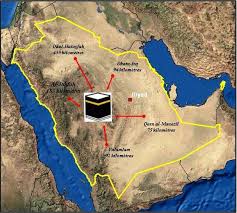
- There are two sets of boundaries which are crossed before entering Makkah. The first is the mawāqīt al ḥill which is the boundary for anyone living before the mīqāt (while going towards Makkah). The second is the mawāqīt al ḥaram which is the boundary for anyone living after mīqāt (while going towards Makkah) but before the ḥaram boundary. Masjid ʿĀʾishah is in the second set of boundaries.
- According to the Ḥanafīs, anyone who lives before the mawāqīt al ḥill must come into iḥrām before crossing the mawāqīt if their primary intention is to go to Makkah. Anyone who lives between the mawāqīt al ḥill and mawāqīt al ḥaram must come into īhrām before crossing the mawāqīt al ḥaram if their primary intention is to perform ʿumrah or ḥajj. If they have no intention of performing ʿumrah of ḥajj, then they can enter Makkah without iḥrām.[1]
- Iḥrām is a state which a person enters by making an intention and then saying the talbiyah. Once a person has done both of these, he is now in the state of iḥrām, even if he is wearing normal clothes. Therefore, when iḥrām is mentioned, it refers to this state, as opposed to the two garments that men wear in the state of iḥrām.[2]
- The rules of crossing the mīqāt without iḥrām, and any subsequent penalty, are based on whether the person’s primary intention was to travel from outside the mīqāt to Makkah. For the purpose of this answer, we will assume that the primary intention was to travel to Makkah.
Based on the above, your question falls into several possible scenarios:
- A person crossed the mīqāt without entering the state of iḥrām, but then returned to any of the five mīqāt, entered into the state of iḥrām, and then crossed the mīqāt properly. In this scenario, no penalty is necessary[3]. The city of Ṭāʾif is closest mīqāt to Makkah.
- A person crossed the mīqāt without iḥrām and then came into iḥrām anywhere after the mīqāt. This further has three scenarios:
- He returns to a mīqāt and repeats the talbiyah (although he is in the state of iḥrām already). In this scenario, the dam drops.
- He returns to a mīqāt but does not repeat the talbiyah. In this scenario, Abū Ḥanīfah says that a dam is necessary while Abū Yūsuf and Muḥammad say there is no dam to pay[4].
- He continues to Makkah without returning to a mīqāt. In this scenario, everyone agrees that a dam is necessary[5].
- A person came into the state of iḥrām at the mīqāt but remained in his normal clothes. In this scenario, if he remained in the normal clothes for 12 hours or more, then one dam will be necessary[6]. If the clothes are worn for less than 12 hours, then ṣadaqah to the amount of ṣadaqat al fiṭr must be given.
And Allah knows best
Ibrāhīm ibn Muḥammad
Checked and approved by Mufti Ṭāhir Wādī
[1] قال ابن مازه: والناس أصناف ثلاثة: أهل الآفاق، ومن كان أهله في الآفاق، ومن كان أهله في الميقات أو دخل الميقات إلا أنه في الحل دون الحرم. وأهل الحرم وهم أهل مكة… وأما أهل الآفاق، فالأفضل لهم الإحرام من دويرة أهلهم… وإذا لم يحرم الآفاقي من دويرة أهله حتى بلغ الميقات، فعليه أن يحرم من الميقات
وأما من كان أهله في الميقات، أو داخل الميقات إلى الحرم، فميقاتهم للحج والعمرة الحل الذي بين المواقيت والحرم حتى لو أخّر الإحرام إلى الحرم جاز (المحيط البرهاني: 2/434)
وقال الكاساني: ويجوز لمن كان من أهل هذا الميقات وما بعده دخول مكة لغير الحج أو العمرة بغير إحرام عندنا (بدائع الصنائع: 2/166)
[2] قال الكاساني: أما بيان ما يصير به محرما فنقول، وبالله التوفيق: لا خلاف في أنه إذا نوى، وقرن النية بقول وفعل هو من خصائص الإحرام أو دلائله أنه يصير محرما بأن لبى ناويا به الحج إن أراد به الإفراد بالحج أو العمرة، إن أراد الإفراد بالعمرة، أو العمرة والحج، إن أراد القران؛ لأن التلبية من خصائص الإحرام، وسواء تكلم بلسانه ما نوى بقلبه أو لا (بدائع الصنائع: 2/161)
[3] قال الكاساني: ولو جاوز ميقاتا من المواقيت الخمسة يريد الحج أو العمرة فجاوزه بغير إحرام ثم عاد قبل أن يحرم وأحرم من الميقات، وجاوزه محرما لا يجب عليه دم بالإجماع؛ لأنه لما عاد إلى الميقات قبل أن يحرم، وأحرم التحقت تلك المجاوزة بالعدم، وصار هذا ابتداء إحرام منه… ولو عاد إلى ميقات آخر غير الذي جاوزه قبل أن يفعل شيئا من أفعال الحج سقط عنه الدم (بدائع الصنائع: 2/165)
[4] قال الكاساني: ولو أحرم بعد ما جاوز الميقات قبل أن يعمل شيئا من أفعال الحج ثم عاد إلى الميقات، ولبى سقط عنه الدم، وإن لم يلب لا يسقط، وهذا قول أبي حنيفة، وقال أبو يوسف، ومحمد: يسقط لبى أو لم يلب، وقال زفر: لا يسقط لبى أو لم يلب (بدائع الصنائع: 2/165)
[5] قال الكاساني: ولو جاوز الميقات بغير إحرام فأحرم ولم يعد إلى الميقات حتى طاف شوطا أو شوطين، أو وقف بعرفة، أو كان إحرامه بالحج ثم عاد إلى الميقات: لا يسقط عنه الدم؛ لأنه لما اتصل الإحرام بأفعال الحج تأكد عليه الدم، فلا يسقط بالعود (بدائع الصنائع: 2/165)
[6] قال التمرتاشي والحصكفي: (أو لبس مخيطًا…يومًا كاملًا) أو ليلة كاملة، وفي الأقل صدقة…ولو جميع ما يلبس (تنوير الأبصار مع الدر المختار: 2/547)
قال ابن عابدين: (قوله يوما كاملا أو ليلة) الظاهر أن المراد مقدار أحدهما فلو لبس من نصف النهار إلى نصف الليل من غير انفصال أو بالعكس لزمه دم… (قوله وفي الأقل صدقة) أي نصف صاع من بر، وشمل الأقل الساعة الواحدة أي الفلكية وما دونها خلافا لما في خزانة الأكمل أنه في ساعة نصف صاع وفي أقل من ساعة قبضة من بر. اهـ. بحر، ومشي في اللباب على ما في الخزانة، وأقره شارحه، واعترض بمخالفته لما ذكره الفقهاء (رد المحتار: 2/548)
وقال: (قوله ولو جميع ما يلبس) مبالغة على قوله أو لبس مخيطا: أي لو جمع اللباس من قميص وقباء وعمامة وقلنسوة وسراويل وخف ولبس يوما فعليه دم واحد إن اتحد السبب كما في اللباب (رد المحتار: 2/548)